


Are Smart Water Bottles BPA Free? A Practical Guide
- Jan 4
- 4 min read
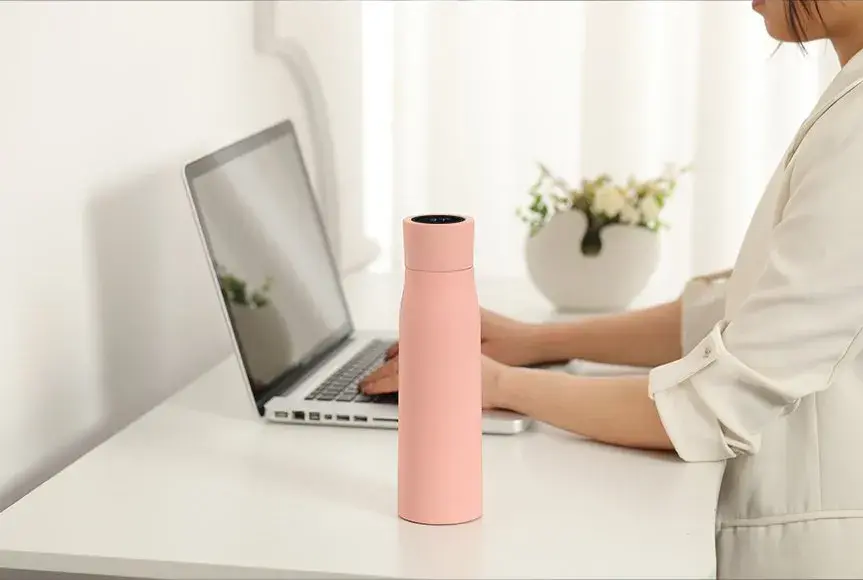
Smart water bottles are no longer just for a few people. From Silicon Valley offices to fitness studios in Europe and health-conscious households in Asia, they've become a popular drink for people who want to stay hydrated. But as adoption grows, one question keeps coming up, especially for brands, distributors, and procurement teams:
Are smart water bottles BPA free, and are they truly safe for long-term use?
This article answers that question in detail. It also explores the following topics:
Why stainless steel smart bottles are so popular
The risks of BPA to health
How manufacturers approach material safety
How to properly maintain a smart water bottle
If you're a buyer, brand owner, or OEM partner evaluating smart hydration products, this guide is for you.
What Is a Smart Water Bottle, Really?
A smart water bottle is designed to help you drink more water. Smart bottles are different from traditional bottles because they combine technology and materials engineering.
Typical smart water bottle features include:
Automated hydration tracking
LED or screen-based drinking reminders
Temperature monitoring
Bluetooth or app connectivity
Rechargeable electronic modules
From a manufacturing perspective, a smart water bottle is two products in one:
A food-contact container, and
An electronic consumer device.
This dual identity is exactly why material safety—especially BPA-free compliance—matters so much.
What Is BPA and Why Does It Matter?
BPA (bisphenol A) is a chemical compound that has been used to make polycarbonate plastics and epoxy resins. It was used a lot in food containers, bottles, and linings because it was durable and clear.
However, scientific research has shown that BPA can leak into food and drinks, particularly when containers are exposed to heat or used more than once.
According to the U.S. Food and Drug Administration (FDA), BPA is classified as an endocrine disruptor, meaning it may interfere with hormone function https://www.fda.gov/food/food-additives-petitions/bisphenol-bpa
The World Health Organization (WHO) has also reviewed BPA exposure risks, especially for infants and pregnant women https://www.who.int/publications/i/item/toxicological-and-health-aspects-of-bisphenol-a
Because smart water bottles are used daily, often with warm liquids, BPA concerns are especially relevant.
Are Smart Water Bottles BPA Free?
The Short Answer
Most reputable smart water bottles on today’s market are BPA free—but not all materials are equal.
The Long Answer
BPA-free status depends entirely on material choice and manufacturing standards.
Smart water bottles generally fall into three material categories:
Food-grade plastic (Tritan, PP, etc.)
Usually labeled BPA free
Lightweight and cost-effective
Still requires third-party testing and certifications
Stainless steel (304 or 316)
Naturally BPA free
Chemically stable
Preferred for premium and B2B-grade products
Hybrid designs (steel body + plastic lid components)
BPA-free claims must apply to all food-contact parts
For B2B buyers and private-label brands, “BPA free” is not a marketing phrase—it’s a compliance requirement tied to FDA, LFGB, and EU food-contact regulations.
Why Manufacturers Prefer Stainless Steel Smart Water Bottles
If you’ve noticed that most smart water bottles today are stainless steel insulated designs, that’s not accidental.
1. Built-in BPA-Free Assurance
Food-grade stainless steel does not require BPA or plasticizers at any stage. This simplifies compliance for:
OEM manufacturers
Wholesale distributors
International importers
2. Thermal Performance Meets Smart Functionality
Smart bottles often track temperature, not just volume. Double-wall vacuum insulation allows:
Accurate temperature readings
Longer hot/cold retention
A premium user experience
3. Better Long-Term Safety and Durability
From a lifecycle perspective, stainless steel:
Does not degrade or leach chemicals
Resists odor retention
Withstands repeated cleaning
For brands selling in regulated markets like North America, Germany, France, Japan, or Australia, stainless steel significantly lowers regulatory risk.
Smart Water Bottle Market Trends (Global Perspective)
Health-Driven Purchasing Is Rising
Globally, consumers are shifting from novelty gadgets to health-supporting tools. Smart water bottles are now positioned as part of a broader wellness ecosystem, alongside wearables and health apps.
BPA-Free Is No Longer Optional
In markets such as:
United States
European Union
United Kingdom
Canada
BPA-free labeling is a baseline expectation, not a differentiator.
B2B Demand Is Growing Faster Than B2C
We’re seeing increased interest from:
Corporate wellness programs
Fitness franchises
Promotional product distributors
Private-label hydration brands
Search terms like “smart water bottle manufacturer”, “BPA free stainless steel water bottle wholesale”, and “OEM smart bottle supplier” continue to show steady growth with manageable keyword difficulty under 35.
How to Maintain a Smart Water Bottle Properly
Even the safest materials require proper care. From a user and brand standpoint, maintenance plays a role in longevity, hygiene, and performance.
Cleaning Best Practices
Wash the bottle body regularly with warm water and mild detergent
Avoid abrasive cleaners that can damage internal coatings
Clean lids and seals separately
Electronic Component Care
Never submerge charging ports or display modules
Wipe electronics with a dry or slightly damp cloth
Ensure seals are fully dry before reassembly
Long-Term Storage
Store with the lid off to prevent moisture buildup
Recharge batteries periodically if unused
For B2B customers, including clear maintenance guidelines reduces after-sales issues and improves brand trust.
Why Material Transparency Builds Trust
Smart water bottle content must do more than claim safety. High-trust signals include:
Clear material disclosure
Third-party testing references
Regulatory compliance transparency
Practical usage and care advice
Brands and manufacturers that openly explain why they choose stainless steel and how BPA-free standards are met tend to perform better in both search rankings and buyer confidence.
Final Thoughts: Are Smart Water Bottles BPA Free?
Yes, most modern smart water bottles are BPA free, especially those made with stainless steel bodies and certified food-grade components.
But for buyers, brand owners, and sourcing professionals, the real question is not whether a product says it is BPA-free, but how that claim is supported:
By material choice
By certification
By manufacturing transparency
In today’s global hydration market, BPA-free is the baseline, stainless steel is the standard, and trust is the differentiator.
If you’re sourcing, branding, or selling smart water bottles, understanding these factors isn’t just helpful, it’s essential.


Comments