


How Many Water Bottles Is a Gallon? A Clear Guide to Everyday Hydration
- Nov 19, 2025
- 4 min read
Tracking your daily water intake sounds easy until you try to measure it. When health enthusiasts talk about drinking "a gallon of water a day," many people start wondering: How much is that? More practically, how many water bottles equal a full gallon? Whether you use a 16-ounce disposable bottle or a large, reusable, stainless steel bottle, understanding the math behind a gallon is the first step toward building sustainable hydration habits.
This guide explains what a gallon really means, how many ounces and milliliters it contains, how many bottles of various sizes are needed, and why this measurement has become a popular hydration target. Along the way, you'll find simple conversions, useful examples, and an HTML calculator that you can embed on your site.
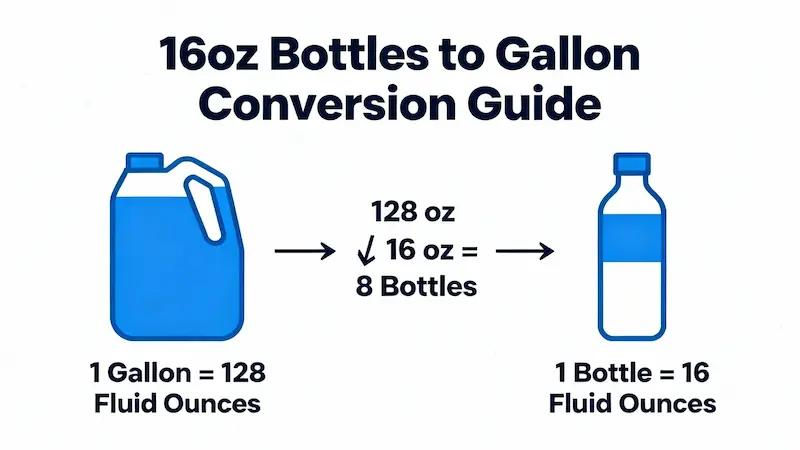
What Exactly Is a Gallon?
A gallon is a unit of volume commonly used in the United States for liquids such as milk, fuel, and water. There are two main types of gallons used around the world: the US gallon and the imperial gallon, which is used in the UK. The US gallon is used for measuring drinking water.
The important numbers to remember are:
1. 1 US gallon = 128 fluid ounces (fl oz).
1 US gallon ≈ 3.785 liters (or 3,785 milliliters).
1 fl oz ≈ 29.57 ml
Since many reusable water bottles and hydration guidelines in the U.S. are based on fluid ounces, using this unit simplifies and standardizes daily tracking.
Why Bottle Sizes Vary
Water bottles come in a wide range of sizes, and measurements differ by region and manufacturer. In the U.S., sizes are typically listed in fluid ounces (e.g., 16 oz, 20 oz, or 24 oz), whereas most international markets (as well as many disposable bottles) list volume in milliliters or liters (e.g., 500 ml, 750 ml, or 1 liter).
Since the gallon is an American measurement, it is easiest to do hydration math when converted into fluid ounces. But don't worry — this guide converts both ounces and milliliters, so you can use whichever measurement system you prefer.
How Many Water Bottles Equal One Gallon?
Below is a breakdown of the most common bottle sizes. One gallon equals 128 ounces, so you just need to divide 128 by your bottle’s volume.
16 oz Bottle
This is one of the most common sizes for disposable water bottles.
128 ÷ 16 = 8 bottles.
16.9 oz (500 ml) Bottle:
This is the standard size for supermarket mineral water.
128 ÷ 16.9 ≈ 7.57 bottles.
Practically speaking: 7–8 bottles
20 oz Bottle:
Popular for sports drinks and some reusable bottles.
128 ÷ 20 = 6.4 bottles.
Realistically: 6–7 bottles
24 oz Bottle:
Common in insulated stainless steel bottles.
128 ÷ 24 ≈ 5.3 bottles.
So, about five bottles plus a small top-off.
32 oz Bottle:
A favorite among athletes and hikers.
128 ÷ 32 = 4 bottles.
1 Liter Bottle (33.8 oz):
Widely used outside the U.S.
128 ÷ 33.8 ≈ 3.78 bottles
Rough estimate: 3–4 bottles
40 oz Bottle
Large, modern, insulated bottles often come in this size.
128 ÷ 40 = 3.2 bottles.
So, roughly: Three bottles plus a bit extra.
Bottle Size | Number of Bottles to Reach 1 Gallon |
16 oz | 8 |
16.9 oz (500 ml) | 7.57 |
20 oz | 6.4 |
24 oz | 5.3 |
32 oz | 4 |
1 liter (33.8 oz) | 3.78 |
40 oz | 3.2 |
Why Do People Try to Drink a Gallon a Day?
You’ve probably seen the “gallon-a-day challenge” on social media or heard fitness trainers recommend it. While not everyone needs that much water, a gallon is a convenient target because it's simple: Just finish all your bottle refills until you reach 128 ounces.
Drinking adequate water supports:
Better energy and concentration
Healthier skin
Smoother digestion
More stable body temperature regulation
Hydration during workouts
Some people need less than a gallon, while others, such as athletes or those living in hot climates, may need more.
Factors That Affect Your Personal Water Needs
While "one gallon a day" is a popular recommendation, your ideal amount depends on several factors.
Body weight: Larger bodies need more water.
Activity level: Exercise increases fluid loss.
Climate: Hot or dry conditions raise hydration needs.
Diet: High-salt or high-protein intake requires more water.
Overall health: Certain medications or conditions influence hydration requirements.
It's more important to understand these factors than to chase a universal number.
Why Counting Bottles Helps Build Habits
Most people find it easier to drink more water when they break it down into manageable portions. Rather than tracking ounces or milliliters all day, you simply refill your favorite bottle a set number of times.
For example:
Using a 32-oz. bottle? Drink four refills to equal one gallon.
Using a 20 oz. bottle? Drink six full bottles plus one partial.
Using a 500 ml bottle? Aim for eight bottles to be safe.
This simple, visual method fits into daily routines.
Tips for Successfully Reaching Your Daily Hydration Goal:
Choose a bottle size that you won't mind carrying. Larger bottles mean fewer refills, but smaller ones are easier to carry while commuting.
Keep water visible. Having a bottle on your desk or in your bag acts as a constant reminder.
Use time markers. Some bottles come with printed hourly targets.
Flavor lightly if needed. Adding lemon, cucumber, or mint can make drinking more enjoyable.
Consider smart bottles or apps. These can automatically track your intake.
Conclusion
A gallon may sound like a lot, but once you break it down into familiar bottle sizes, staying hydrated becomes far more manageable. Remember that a gallon equals 128 ounces, so depending on your bottle size, you'll need 4 to 8 bottles per day. With the right-sized bottles and a simple refill routine, staying hydrated can become a natural part of your lifestyle.
HTML Unit Conversion Tool (Gallon ↔ Liter ↔ Ounce ↔ Milliliter)
Ready to Upgrade Your Hydration Routine?
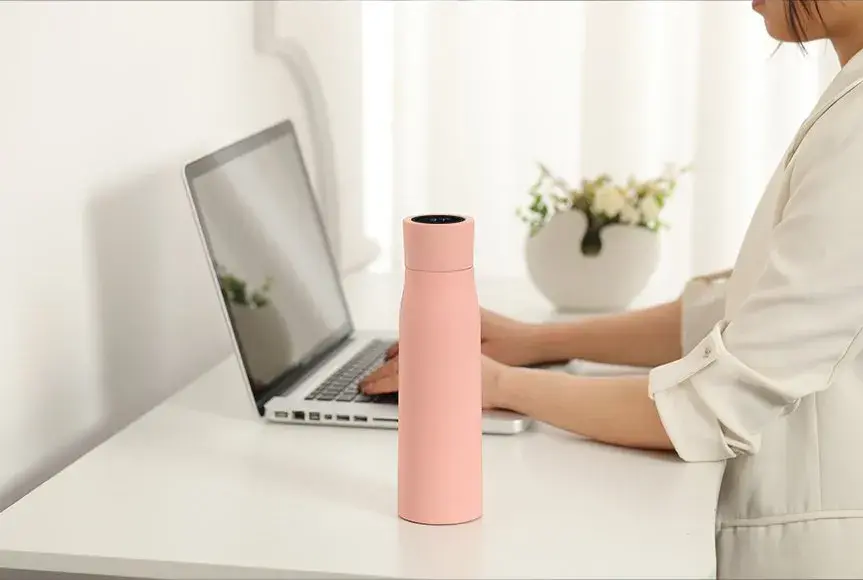
Are you looking for a cleaner, smarter, and more convenient way to stay hydrated? Consider switching to a self-cleaning water bottle. A UV water bottle can automatically neutralize bacteria, keeping your water fresher throughout the day. This is especially useful if you’re refilling from different sources or carrying your bottle outdoors.
Learn more about how it works and whether it's right for you here: UV water bottle


Comments