


How to Clean a Water Bottle: Complete Guide
- Nov 17, 2025
- 5 min read
We carry them everywhere—to the gym, office, hiking trails, and yoga class. Our trusty water bottles keep us hydrated throughout the day, but here's an uncomfortable truth: most of us aren't cleaning them nearly enough. That reusable bottle you're sipping from right now? It might be harboring more bacteria than you'd like to imagine. Don't worry, though—keeping your water bottle fresh and safe is easier than you think. Let's dive into why cleaning matters, what happens when you skip it, and exactly how to do it right for every type of bottle.
Why Cleaning Your Water Bottle Matters
Prevents Bacterial Growth
Your water bottle creates the perfect storm for bacteria: it's moist, warm (especially after sitting in your bag), and frequently touched by your hands and mouth. This combination turns your bottle into a bacterial playground where unwelcome guests like E. coli and Staphylococcus aureus love to multiply. Every sip introduces new bacteria, and without regular cleaning, these microorganisms build up faster than you'd expect.
Avoids Bad Odors & Taste
Ever taken a sip and noticed a weird, musty taste? That's the result of residue buildup from beverages, saliva, and mineral deposits from water. Sugary drinks, coffee, and even plain water leave behind traces that eventually turn into funky odors and off-putting flavors. Once these smells set in, they're stubborn to remove.
Extends the Bottle's Lifespan
Regular cleaning isn't just about hygiene—it's about protecting your investment. Proper maintenance prevents material deterioration, corrosion, and permanent staining that can shorten your bottle's life. A well-cared-for water bottle can last for years, saving you money and reducing waste.
What Happens If You Don't Clean Your Water Bottle?
Increased Health Risks
Skipping regular cleaning can lead to gastrointestinal discomfort and potentially serious foodborne illnesses. Long-term exposure to mold growth can even affect your respiratory system. Think of it this way: would you drink from the same unwashed glass for a week straight? Your water bottle deserves the same attention.
Material Deterioration
Plastic bottles may age prematurely due to residue buildup and heat exposure, becoming cloudy or brittle. Stainless steel bottles accumulate mineral deposits that create stubborn white spots and can affect the bottle's performance. The longer you wait, the harder these issues become to reverse.
Persistent Odors & Stains
The longer bacteria and residue sit in your bottle, the more deeply they penetrate the material. What starts as a faint smell can become a permanent fixture that no amount of scrubbing can eliminate, eventually forcing you to replace an otherwise perfectly good bottle.
How to Clean a Water Bottle (General Method)
Daily Quick Clean (For Everyday Use)
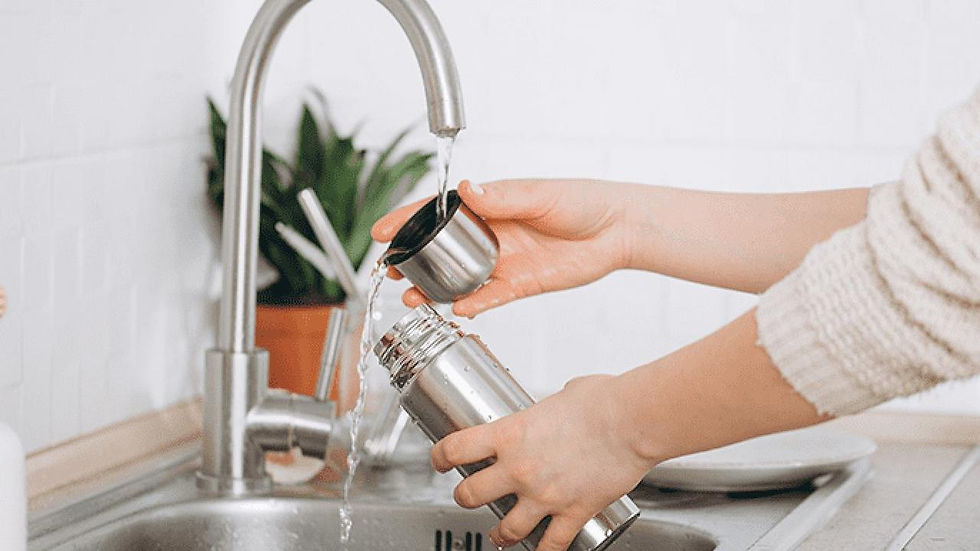
After each use, give your bottle a quick wash with warm water and dish soap. Use a bottle brush to scrub the interior walls and bottom, paying special attention to corners where grime accumulates. Rinse thoroughly with clean water and let it air dry completely, preferably upside down.
Deep Clean (Weekly)
Once a week, give your bottle a more thorough treatment using one of these methods:
White vinegar solution: Fill your bottle with equal parts water and white vinegar, let it soak for 15-30 minutes, then scrub and rinse. This method eliminates odors and kills bacteria naturally.
Baking soda paste: Mix baking soda with warm water to create a paste, scrub it into stubborn stains, let it sit for a few minutes, then rinse thoroughly. This works wonders for discoloration and stuck-on residue.
Salt and ice trick: For narrow-mouthed bottles with hard-to-reach areas, add a handful of ice cubes and a tablespoon of coarse salt, seal the lid, and shake vigorously. The abrasive action scrubs away buildup without chemicals.
Cleaning the Cap & Straw
Don't forget the accessories! Use a small brush or straw brush to clean caps, spouts, and straws separately. Rubber gaskets are notorious for harboring bacteria, so remove them weekly for a thorough wash. If your bottle has multiple removable parts, disassemble everything and clean each piece individually.
How to Clean Different Water Bottle Materials
Plastic Bottles (Tritan, PCTG, PP)
Use mild dish soap and avoid extremely hot water, which can cause warping or release unpleasant odors. Skip harsh bleach cleaners that might damage the material. Check if your specific bottle is dishwasher safe—many Tritan bottles can go on the top rack, but standard PP bottles may have temperature limitations.
Stainless Steel Bottles
Never use chlorine bleach on stainless steel, as it corrodes the metal and creates rust spots. White vinegar or baking soda are your best friends for removing scale and odors. For insulated bottles, skip the dishwasher entirely and avoid soaking the lid too long, as this can compromise the vacuum seal that keeps drinks hot or cold.
Glass Bottles
Most glass bottles are dishwasher safe, making them wonderfully easy to maintain. Just avoid sudden temperature changes that could cause cracking. For stubborn odors, try filling your bottle with hot water and lemon slices, letting it sit overnight for a fresh, citrus-scented clean.
Collapsible Silicone Bottles
Most silicone bottles are dishwasher safe since the material withstands high temperatures well. When cleaning by hand, make sure to unfold all the creases completely to reach hidden grime. Avoid abrasive scrubbers or sharp objects that could tear the flexible material.
Tips & Best Practices
Always air dry completely: Sealing a damp bottle traps moisture and encourages mold growth. Store your bottle upside down with the cap off until it's bone dry.
Remove rubber gaskets weekly: These small rings are bacterial hotspots. Pull them out, wash thoroughly, and let them dry separately before reassembling.
Avoid hot water on plastic: High temperatures can warp plastic bottles and sometimes release unpleasant chemical smells.
Don't mix cleaning agents: While combining baking soda and vinegar creates impressive fizzing, using them separately is actually more effective.
Common Mistakes (Pitfalls to Avoid)
Thinking "just water" means no cleaning needed: Even plain water bottles need regular cleaning. Bacteria from your mouth and hands still accumulate with every use.
Only cleaning the bottle, ignoring the cap: The cap, spout, and gaskets are where bacteria concentrate most. They need just as much attention as the bottle itself.
Using bleach on stainless steel: This common mistake leads to corrosion and rust spots that can ruin an expensive bottle.
Not checking dishwasher compatibility: Throwing incompatible bottles in the dishwasher can cause warping, leaking, or loss of insulation properties.
Putting insulated bottles in the freezer: While not directly cleaning-related, this damages the vacuum layer that makes insulated bottles work.
Final Thoughts
Keeping your water bottle clean doesn't require expensive products or hours of effort—just a few minutes of attention and consistency. By incorporating these simple cleaning habits into your routine, you'll protect your health, eliminate nasty odors, and extend the life of your favorite hydration companion. Remember: a clean bottle isn't just about hygiene; it's about enjoying fresh, great-tasting water every single time you take a sip. So grab that bottle brush and show your water bottle some love—your body will thank you for it.
If your business is looking to promote healthy hydration with branded products, finding a reliable water bottle factory to can help you offer durable, customizable, and eco-friendly water bottles that support both wellness and sustainability.


Comments